

How to Choose a Good Tequila: Complete Guide (2026)
Knowing how to choose a good tequila separates a great bottle from a forgettable one. With over 1,800 brands on the market and prices from $20 to $300, most look premium. Few are. This guide covers the three things that matter: the label, the production method, and how both shape every sip. Whether you are shopping for a blanco to mix or an añejo to sip neat, the same principles apply.
Introduction to Choosing the Right Tequila
Walking down the liquor aisle can feel overwhelming. You see hundreds of bottles, ranging from crystal clear to dark amber, with prices that swing from twenty dollars to hundreds. Price does not always equal quality, and a fancy bottle does not guarantee a smooth drink. Choosing the right tequila is about understanding what is inside the glass.
Whether you want to mix a fresh margarita or sip something neat after dinner, knowing a few basics changes everything. You do not need to be an expert to spot a quality spirit. You just need to know what to look for on the label and understand how production choices affect the final flavor.
What Is Tequila and Why Choose It?
Tequila is more than just a party shot with salt and lime. It is a complex, regulated spirit made from the Blue Weber Agave plant, grown in certain regions of Mexico, primarily Jalisco. Unlike vodka or gin, tequila relies on a plant that takes years to mature.
People choose tequila for its distinctive flavor profile: earthy, sweet, and vegetal. When made with mature agave and traditional methods, it offers a connection to the land that few other spirits can claim.
How Tequila Is Made: From Agave to Bottle
The process of making tequila is labor-intensive and rooted in tradition. Here is the general flow of production:
- Harvesting: Cutting the mature agave.
- Cooking: Softening the fibers to access sugar.
- Extraction: Crushing the cooked plant.
- Fermentation: Turning sugar into alcohol.
- Distillation: Purifying the liquid.
Harvesting and Cooking the Agave
It all begins with the jimador, the skilled farmer who harvests the agave using a sharp, long-handled tool called a coa to slice away the spiky leaves, revealing the heart, or piña. It takes roughly 7 kg of piña to make just 1 litre of 100% agave tequila.
Once harvested, these hearts must be cooked. Traditional producers use brick ovens to slowly steam the piñas, converting raw starches into fermentable sugars. This is where real character is built. Industrial shortcuts like autoclaves speed things up but strip the agave of nuance.
Fermentation, Distillation, and Aging
After cooking, the agave is crushed to extract the sweet juice, called mosto. This liquid goes into tanks where yeast converts agave sugars to alcohol. The fermented liquid is then distilled, usually twice in copper pot stills. Finally, the tequila is either bottled immediately as Blanco or placed in oak barrels to age.
Understanding Tequila Types
- Blanco (Silver/Plata): Unaged or rested less than 2 months. Crisp, pure agave character. Best for cocktails.
- Reposado (Rested): Aged 2 months to 1 year. Smooth, balanced, subtle wood notes. Great on the rocks.
- Añejo (Aged): Aged 1 to 3 years. Rich, complex, chocolate and dried fruit notes. Built for sipping neat.
Key Factors for Selecting Premium Tequila
100% Agave Purity vs. Mixto
This is the single most important rule: always buy tequila labeled "100% Agave." If the bottle just says "Tequila," it is likely a mixto. By law, mixtos only need to be 51% agave. The other 49% can be cheap sugar cane spirit or corn syrup.
Label Reading: NOM, Production Methods, and Craft
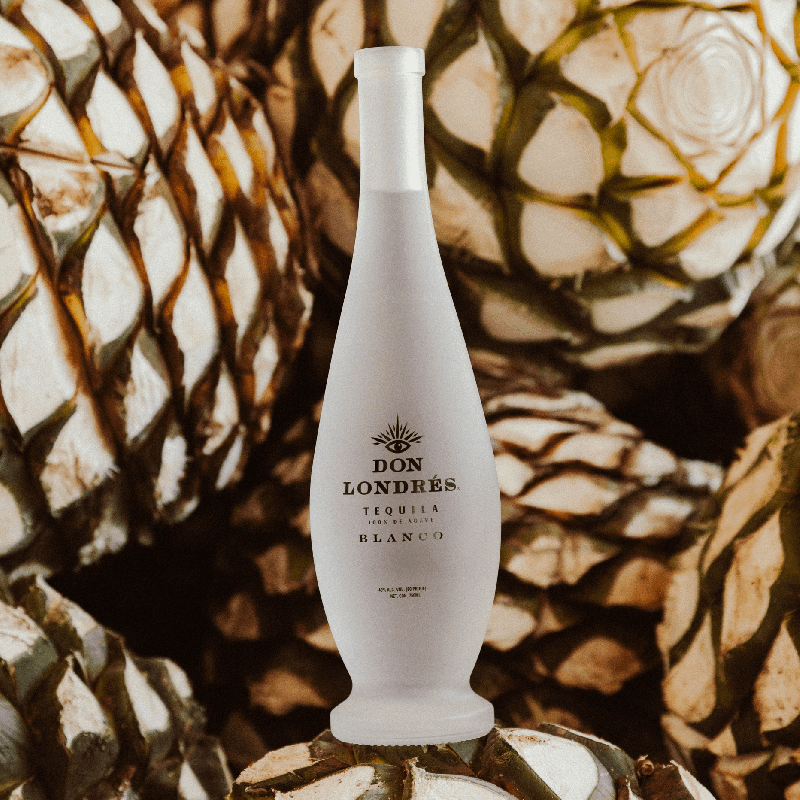
Every bottle of authentic tequila has a NOM number (Norma Oficial Mexicana) on the label. This four-digit code identifies the specific distillery where it was made. Also be wary of production shortcuts. Many brands add glycerin, caramel color, or oak extract to fake smoothness. High-quality brands like Don Londrès rely on mature agave, brick ovens, and natural fermentation instead. Nothing added beyond agave and time.
Matching Tequila to Your Drinking Style
- For Cocktails: Stick to a solid Blanco. Its crisp profile cuts through mixers without competing.
- For Rocks: A Reposado bridges the gap, offering smoothness without losing the agave character.
- For Sipping Neat: Go for an Añejo or a premium Blanco. See our guide to the smoothest tequila of 2026 for top picks.
How to Taste Tequila Properly
Tasting tequila is an experience that engages all your senses. Use a flute, glencairn whiskey glass, or small wine glass. The shape concentrates the aromas. Start by looking at the tequila, swirl gently, then nose it by hovering just above the rim. Take a small sip, let it coat your tongue, breathe out through your nose to unlock flavors, then swallow and notice the finish.
Common Mistakes to Avoid When Choosing Tequila
One major mistake is judging quality by the bottle design. Some expensive, fancy-looking bottles contain mediocre juice, while simple bottles often hold the real thing. Another issue is ignoring production methods. Some modern brands use a diffuser with acid and high pressure to process agave raw, which is fast but strips the character of the spirit. If a brand does not talk about how it is made, that is often why.
Why Don Londrès Stands Out
In a crowded market, Don Londrès distinguishes itself by doing the hard things right. Mature agave from the Jalisco Highlands, brick ovens, natural fermentation, copper pot distillation, and nothing added beyond agave and time. The result is a tequila that is smooth because it is made well. Try the Don Londrès Blanco or Reposado and taste the difference traditional production makes.
Final Tips for Enjoying Your Tequila
Store tequila upright in a cool, dark place. Room temperature is best for sipping. Freezing it dulls the flavor and mutes the aromas. Each mature agave plant produces about 8 or 9 bottles of tequila. That plant grew for nearly a decade before harvest. It deserves that kind of attention in the glass.
Frequently Asked Questions
How do I choose a good tequila?
Start with the label. Look for "100% Agave" and a NOM number identifying the distillery. Then check how it was made: mature agave, brick oven cooking, natural fermentation, and copper pot distillation are signs of a serious producer. A good blanco is the easiest place to start because there is no barrel aging to hide behind. If it is clean and smooth, the rest of the lineup will be too.
What is the difference between tequila and mezcal?
Tequila is made exclusively from Blue Weber Agave in specific Mexican regions like Jalisco, while mezcal uses various agave types from wider areas and is often smoked during cooking for an earthy, smoky flavor.
How much does good 100% agave tequila cost?
Entry-level 100% agave tequilas start at $25 to $40 for solid blancos, with premium reposados at $40 to $70 and añejos from $70 to $150. Don Londrès Blanco sits near $52 and delivers well beyond its price.
What does the NOM number on a tequila bottle mean?
The NOM (Norma Oficial Mexicana) is a four-digit code identifying the exact distillery where the tequila was produced. Look it up on tequila matchmaker sites to verify authenticity and production methods.
Can you drink tequila straight from the freezer?
It is not recommended. Freezing tequila dulls its agave flavors and aromas. Serve at room temperature for sipping, or use large ice cubes for rocks drinks.
How long does an agave plant take to mature for tequila?
Blue Weber Agave matures in 7 to 10 years before harvest, yielding about 8 to 9 bottles per plant. Quality producers wait for full maturity because the sugar content at the right time is what gives tequila its natural sweetness.