

What Makes Tequila Smooth?
Tequila can be bold and fiery or refined and silk-like. For those who appreciate quality spirits, understanding what makes tequila smooth is the difference between a harsh burn and a balanced, elegant sip.
Smoothness is not accidental. It's the result of careful agave selection, precise distillation, thoughtful aging (when applicable), and restraint.
Quick Answer: What Makes Tequila Smooth?
A smooth tequila comes from fully mature agave, slow cooking, careful fermentation, precise distillation cuts, and balanced alcohol integration. Smooth tequila without burn typically avoids unnecessary additives and maintains natural balance between sweetness, minerality, and alcohol.
The Foundation: Agave Maturity Matters
Agave needs time, often 6 to 8 years, to reach optimal sugar levels. Mature agave develops natural sweetness and complexity, which translates into a rounder, softer spirit. When producers harvest agave too early, sugar levels are lower and the plant's vegetal, bitter compounds dominate. This imbalance often contributes to why some tequila tastes harsh.
How Tequila Is Made and Why It Impacts Smoothness
Cooking the Agave
Agave piñas are slow-roasted or steamed to convert starches into fermentable sugars. Slow cooking in brick ovens preserves sweetness. Overcooking or high-pressure shortcuts create harsh, bitter flavors.
Fermentation
Longer, natural fermentations produce softer esters, rounder aromas, and better alcohol integration. Rushed fermentation leads to aggressive alcohol expression and uneven flavor.
Distillation: Where Smoothness Is Refined
Tequila is typically distilled twice. Precise cuts remove harsh compounds, separating heads (volatile, sharp), hearts (the desired spirit), and tails (bitter elements). A masterfully distilled tequila feels clean, balanced, warm rather than burning, and smooth on the finish.
Why Some Tequila Tastes Harsh
Common reasons: immature agave (less natural sugar means sharper notes), poor distillation cuts (excess volatile compounds increase burn), alcohol imbalance (high ABV without flavor depth), and additives masking structure rather than resolving it. True smoothness is integrated, not artificially coated.
The Role of Aging in Smoothness
Blanco tequila can be exceptionally smooth when smoothness comes entirely from raw material and distillation precision. Reposado (aged 2 to 12 months) adds light oak influence that can soften edges and introduce vanilla notes. Añejo (aged 1 to 3 years) creates deeper oak integration. However, aging alone does not guarantee smoothness. Balance always begins before the barrel.
Modern Refinement: A New Standard of Smooth
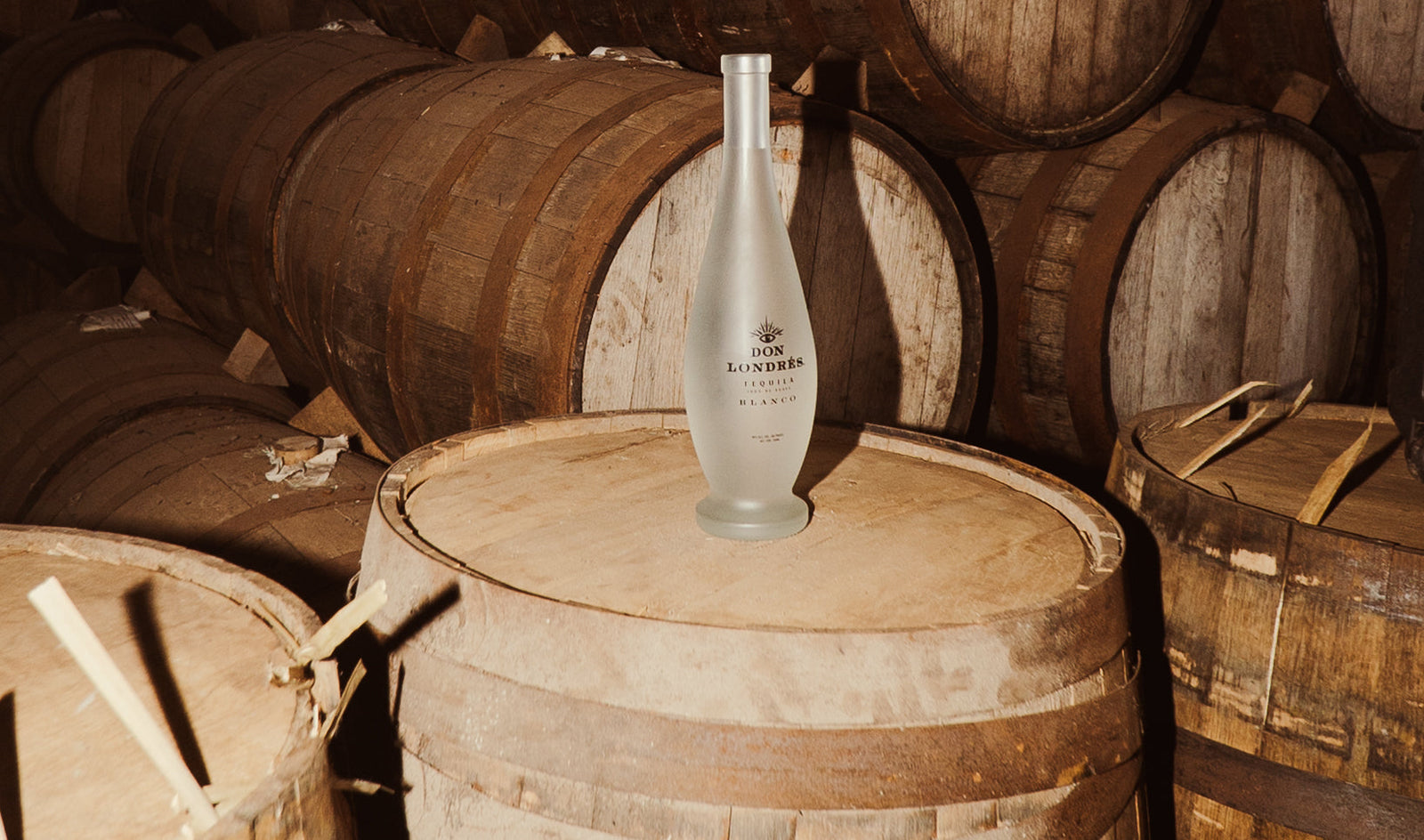
As tequila evolves, there is growing appreciation for elegant expressions designed for sipping. Don Londrès is crafted with no added sugar, no artificial vanilla, and no unnecessary additives. Its approach emphasizes balance, maturity, and precision in distillation. The goal is composure: smoothness that feels deliberate, not flashy.
How to Choose a Smooth Tequila
Look for: 100% Blue Weber agave, transparency about production methods, restraint in additives, reputation for balanced distillation, and design for sipping rather than shooting. Taste should reveal gentle agave sweetness, subtle minerality, clean finish, and integrated warmth.
Frequently Asked Questions
What makes tequila smooth vs harsh?
Mature agave, slow cooking, careful distillation cuts, and natural fermentation create smoothness. Immaturity, rushed production, and poor distillation cause harshness.
Does higher price mean smoother tequila?
Not always. Price reflects production costs, packaging, and branding. Focus on production methods and 100% agave sourcing rather than price alone.
Can blanco tequila be smooth?
Absolutely. A well-made blanco from mature agave and precise distillation can be exceptionally smooth, sometimes smoother than aged expressions.