

What Makes the Best Tequila? A Guide to Recognizing True Quality
The world of tequila has evolved far beyond quick shots and party culture. Today, tequila is increasingly appreciated the way fine whiskey or cognac is — slowly sipped, thoughtfully crafted, and evaluated for its depth of character.
But with so many bottles on the shelf, one question naturally arises: what makes the best tequila?
The answer lies in a combination of agricultural quality, production craftsmanship, and overall drinking experience. The finest tequilas begin with mature agave, are distilled with care, and deliver a balanced, smooth finish designed for sipping rather than masking.
Why Agave Quality Defines Premium Tequila
Every great tequila begins in the fields. Tequila is made from blue Weber agave, a plant that takes years to reach maturity. The longer agave grows, the more complex sugars it develops, which ultimately shape the flavor of the final spirit.
For premium tequila quality, agave must be harvested at full maturity. Younger plants can produce thinner or more aggressive flavors, while fully mature agave contributes natural sweetness, subtle herbal notes, balanced vegetal character, and a smoother drinking profile.
Regions such as Atotonilco El Alto in Jalisco are known for producing agave with naturally vibrant and aromatic qualities. Soil composition, altitude, and climate all shape the final taste. Just like wine grapes, agave reflects its environment.
Craftsmanship and Distillation
Beyond the agave itself, the skill of the distiller plays a major role in determining what makes tequila smooth and balanced. Careful distillation helps preserve the character of the agave while removing harsh elements. The best producers focus on consistent fermentation, precise temperature control, careful separation of the distillate, and maintaining purity of flavor.
Many respected tequila producers rely on distilling traditions passed down over generations. In Jalisco, some distilling families have refined their methods for more than a century, balancing traditional techniques with modern precision.
Balance: The True Mark of the Best Tequila
One of the clearest indicators of premium tequila quality is balance. A well-made tequila typically features fresh agave sweetness, light citrus brightness, herbal or mint notes, gentle pepper or spice, and soft natural sweetness. When these elements are balanced correctly, the tequila feels elegant rather than overwhelming.
What Makes Tequila Smooth?
Smooth tequila begins with careful distillation. When impurities are minimized and the spirit is refined properly, the result is a cleaner texture on the palate. A smooth tequila should taste natural and balanced, allowing the agave to remain the central character.
Perhaps the biggest indicator of a smooth tequila for sipping is the finish. Great tequila leaves a lingering warmth rather than a harsh bite. The flavors fade elegantly rather than disappearing abruptly.
A Refined Example of Smooth Sipping Tequila
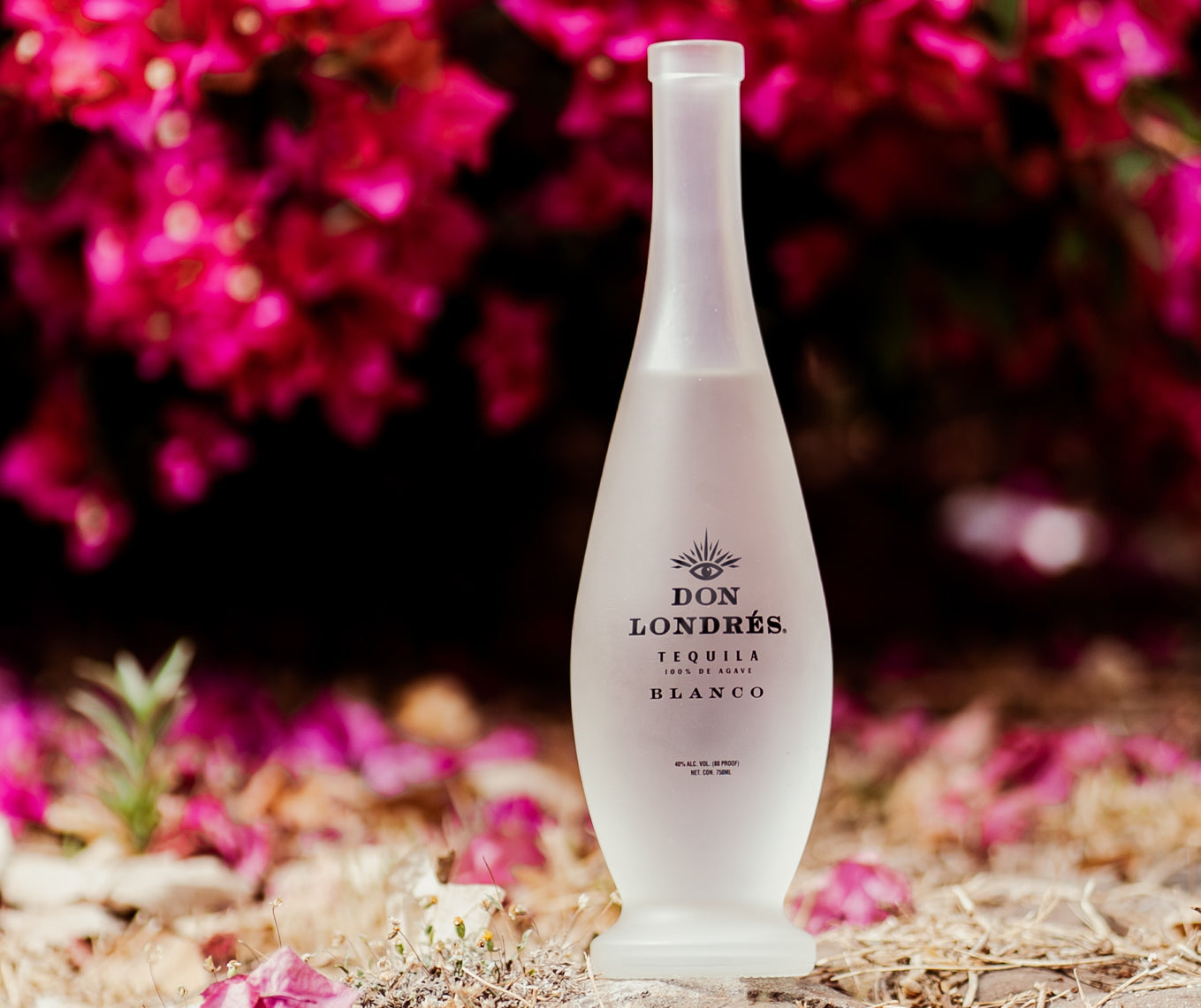
For drinkers exploring what defines a truly refined tequila, Don Londrès Blanco offers a compelling example. Crafted in Atotonilco El Alto, Jalisco, this tequila reflects a tradition of distilling expertise that traces back more than a century.
Designed for elevated sipping, Don Londrès Blanco delivers a flavor profile that highlights the natural character of agave. Notes of herbal freshness, citrus brightness, and gentle sweetness create a smooth and balanced experience on the palate. Because it is crafted with nothing beyond agave and traditional methods, the result is a tequila that feels clean, expressive, and refined.
Final Thoughts
What makes the best tequila ultimately comes down to a few essential principles: high-quality mature agave, skilled distillation and craftsmanship, balanced and natural flavor, and a smooth finish designed for sipping. When these elements align, tequila becomes far more than a party drink. It becomes a spirit worth slowing down for.