

What Is Reposado Tequila? A Guide to Aging, Flavor, and Tequila Styles
Reposado tequila sits in the sweet spot between the raw brightness of blanco and the deep complexity of añejo. If you've been curious about why some tequilas are lighter and some are richer, reposado is where the story of oak aging begins.
What Does Reposado Mean?
Reposado is Spanish for "rested." By Mexican law, reposado tequila must be aged in oak barrels for a minimum of 2 months and no more than 12 months. This period of rest in wood transforms the spirit — softening some of the raw agave intensity while adding light notes of vanilla, caramel, and baking spice from the barrel.
How Reposado Differs from Blanco and Añejo
Blanco (Silver/Plata): Unaged or rested less than 60 days. Clear in color. Pure agave character — bright, citrusy, peppery. The best blancos are incredibly smooth when made from mature agave with traditional methods.
Reposado: Aged 2 months to 1 year. Takes on a light golden color from the oak. Flavor profile adds vanilla, light oak, and gentle caramel on top of the agave base. More approachable for people who prefer rounder, softer spirits.
Añejo: Aged 1-3 years. Darker amber color. Rich, complex, heavily barrel-influenced. Closer to whiskey in character.
What Does Reposado Tequila Taste Like?
A well-made reposado should taste like: cooked agave sweetness as the foundation, light vanilla and caramel from oak contact, subtle spice (cinnamon, baking spice), and a smooth, rounded finish. The agave should still be clearly present — if the barrel overwhelms the agave, the tequila has been over-aged or the base spirit was poor quality.
The best reposados balance oak influence with agave expression. Neither should dominate the other.
How Reposado Is Made
The process starts the same as blanco: mature Blue Weber agave is harvested, cooked (ideally in traditional brick ovens), crushed, fermented, and double-distilled. The difference is what happens after distillation.
The fresh distillate goes into oak barrels — typically American white oak or French oak, often previously used for bourbon or wine. The spirit rests in these barrels for 2 to 12 months. During this time, it draws compounds from the wood: tannins, lignins, and vanillin, which soften the alcohol and add flavor complexity.
The quality of the base spirit matters enormously. Barrel aging can add character, but it cannot fix a poorly made tequila. The best reposados start with exceptional blanco quality.
Don Londrès Reposado: Aged Without Shortcuts
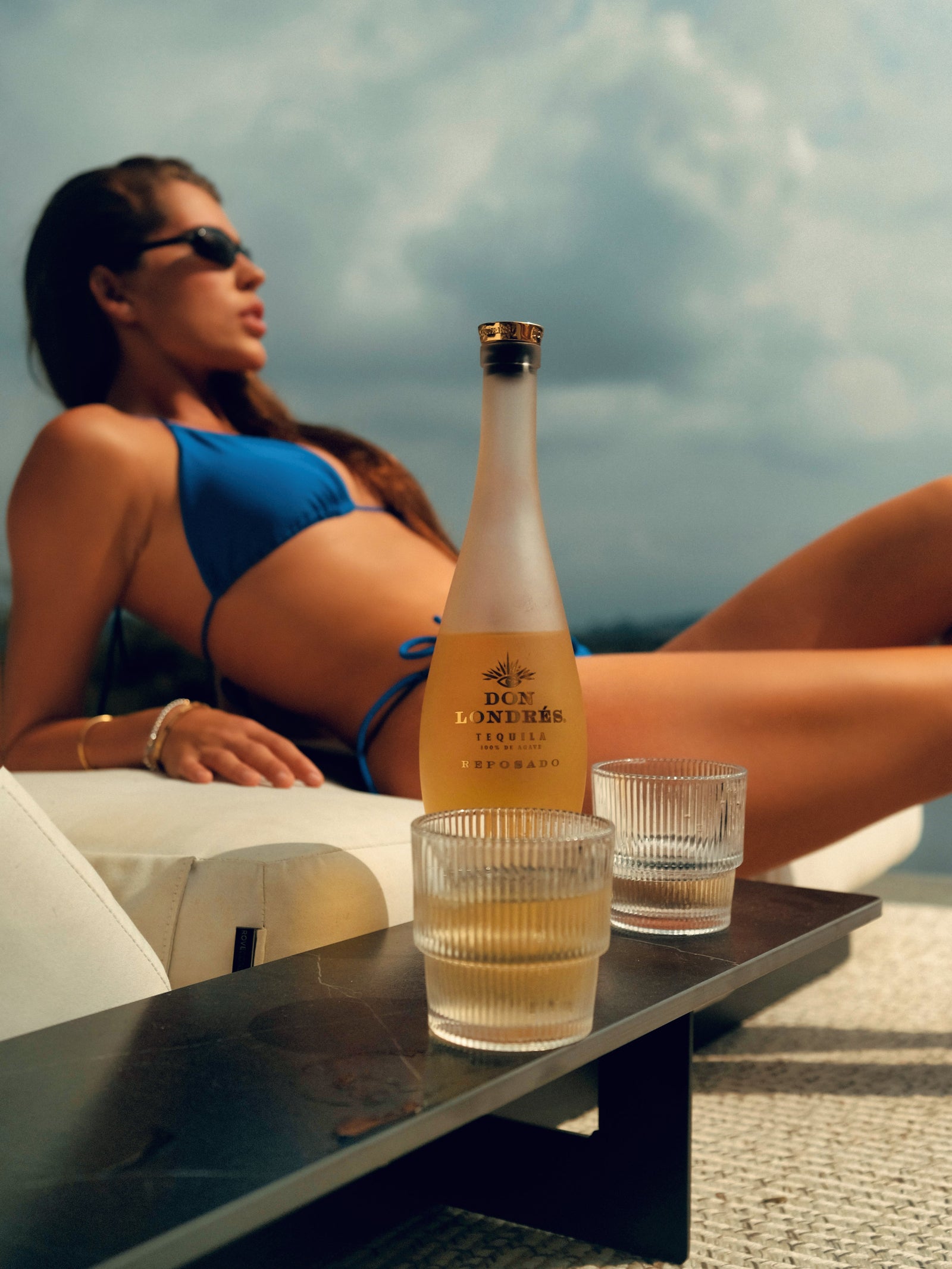
Don Londrès Reposado is aged in American white oak barrels and crafted with the same philosophy as the Blanco — nothing added beyond agave and time. No caramel coloring to fake age, no artificial sweeteners to compensate for poor base quality. The smoothness comes from properly grown mature agave and careful barrel selection.
The result is a reposado that still tastes like tequila: agave-forward, naturally balanced, with just enough barrel influence to round the edges without obscuring the base spirit.
When to Drink Reposado vs. Blanco
Drink Reposado when: you want something softer than blanco neat or on the rocks, you're pairing with food (especially grilled meats or spiced dishes), you're making cocktails that benefit from light oak character like a tequila Old Fashioned or Paloma with depth.
Drink Blanco when: you want the purest agave expression, you're making citrus-forward cocktails like margaritas or Ranch Water, or you want to judge a distillery's true base quality.
FAQ
Is reposado smoother than blanco?
Generally yes, because barrel aging softens the spirit. But a great blanco can be just as smooth — smoothness depends more on production quality than aging.
How long is reposado aged?
By Mexican law, between 2 months and 12 months. Most quality reposados are aged 6-9 months.
Can you sip reposado neat?
Absolutely. A quality reposado sipped at room temperature in a proper glass reveals its full flavor profile — agave sweetness, light oak, and a smooth finish.
What barrels are used for reposado?
Most commonly American white oak (often ex-bourbon barrels), though French oak is also used. The choice of barrel significantly influences the final flavor.