

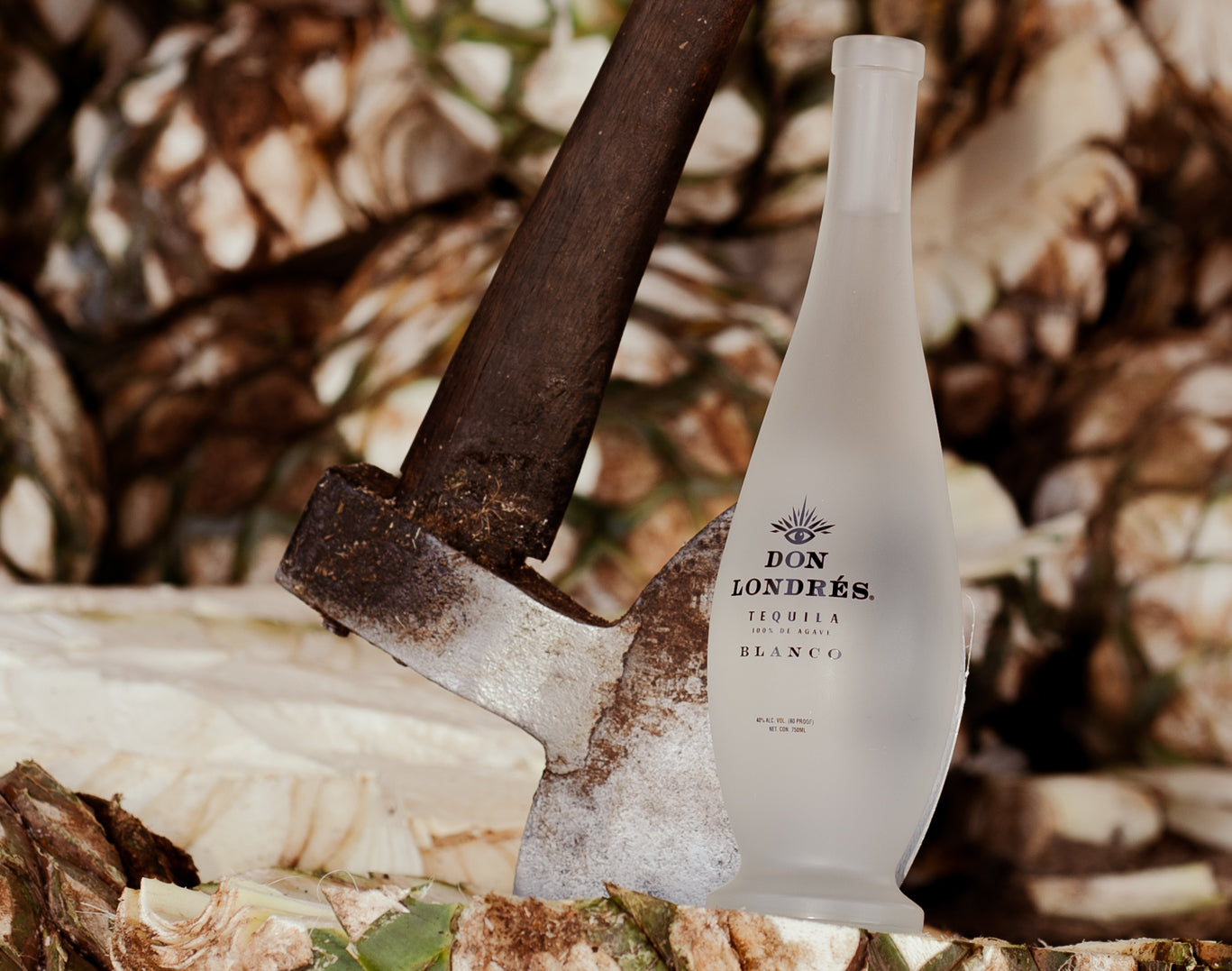
When people search for the best tequila, they're really asking: which bottles deliver purity of agave flavor, craftsmanship, and smoothness? 100% blue agave and artisanal production are the foundation of great tequila.
What Makes a Tequila "Best"
True tequila must be made from 100% Blue Weber agave grown in Jalisco or one of four neighbouring Mexican states. After harvesting, the piñas are cooked, crushed, fermented and distilled. Blanco tequilas are bottled almost immediately for a bright, vegetal character, while reposado, añejo and extra-añejo expressions spend months or years in oak to develop vanilla and caramel notes.
Two production factors separate artisanal tequilas from mass-market bottles. First, 100% agave vs. mixto: CRT regulations allow tequila labelled mixto to contain just 51% agave sugars, while premium brands use only 100% agave, producing a cleaner, more authentic spirit. Second, slow cooking and traditional extraction: agaves cooked for 36-72 hours in brick ovens receive higher ratings than those cooked quickly in autoclaves, and tahona wheels preserve sugars and lower methanol levels.
Understanding Tequila Styles
Blanco (Silver) tequilas are aged up to two months and offer pure agave flavors with notes of citrus, grass and pepper. They're considered the truest expression of the plant and excellent for cocktails or sipping when well made.
Reposado is aged at least 60 days and up to one year. Oak imparts vanilla and caramel tones while retaining agave brightness, making it versatile in cocktails or for sipping.
Añejo is aged one to three years in barrels no larger than 600 litres, developing dark amber, smooth and rich oak-forward flavors of vanilla, caramel and dried fruit. Typically enjoyed neat.
Top Tequilas for 2026
Don Londrès Blanco leads with a clean, herbal profile crafted by Dre London and third-generation distiller Francisco González using time-honoured methods in Atotonilco el Alto from 100% Blue Weber agave. The Reposado expression is aged in bourbon barrels, adding vanilla, citrus and oak while remaining ultra-smooth.
Other standout bottles include Cascahuí n Destino Blanco (anniversary release using open-air wooden fermentation and tahona extraction), Tequila Ocho Plata (terroir-focused, showcasing how location affects flavor), Lost Explorer Blanco (sustainable small-batch with solar energy production), El Tesoro Añejo (family-run distillery using tahona and slow fermentation), and Fortaleza (using 100-year-old brick ovens and copper pot stills).
Tips for Choosing Your Tequila
Look for "100% Blue Agave" on the label and avoid mixto products. Seek out traditional production — brands that slow-cook their agaves in brick ovens and use tahona extraction often deliver superior flavor. Match the style to your use: blancos showcase pure agave for cocktails or neat sipping, while reposado and añejo add complexity from oak aging.
Final Thoughts
The tequila world is evolving, with more producers embracing transparency, sustainability and heritage methods. Don Londrès stands at the forefront by honouring the González family's century-old distilling traditions while presenting an ultra-smooth spirit. Whether you're savouring a pure blanco or exploring aged expressions, selecting tequilas that respect the agave and the craft will reward you with a genuinely smooth and flavorful experience.